WSA Global Congress 2026: AI incentives and lock-in
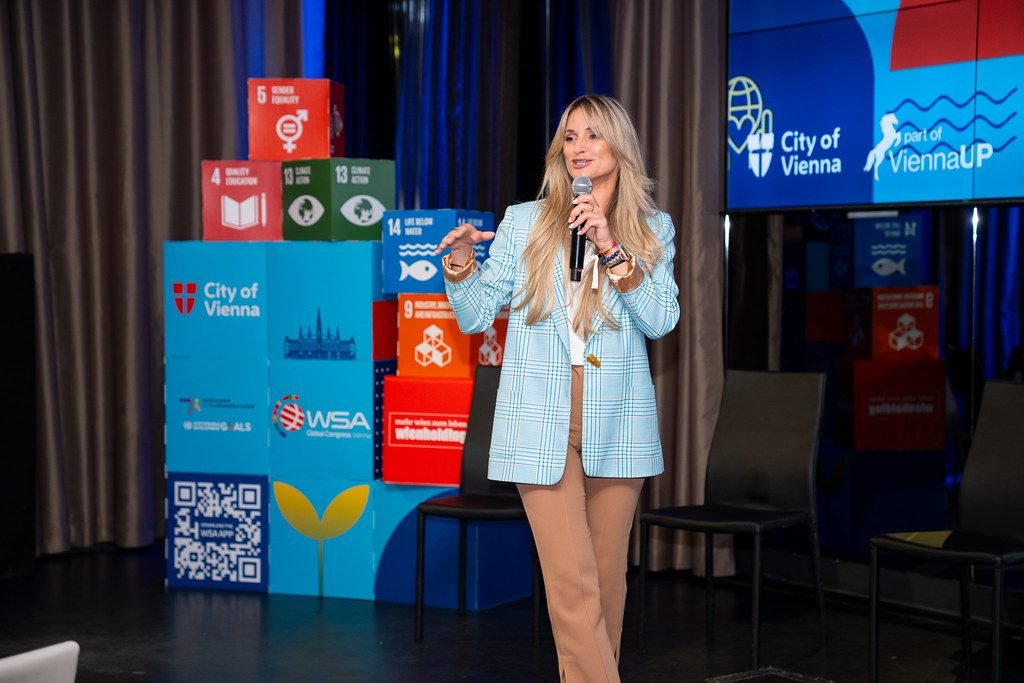
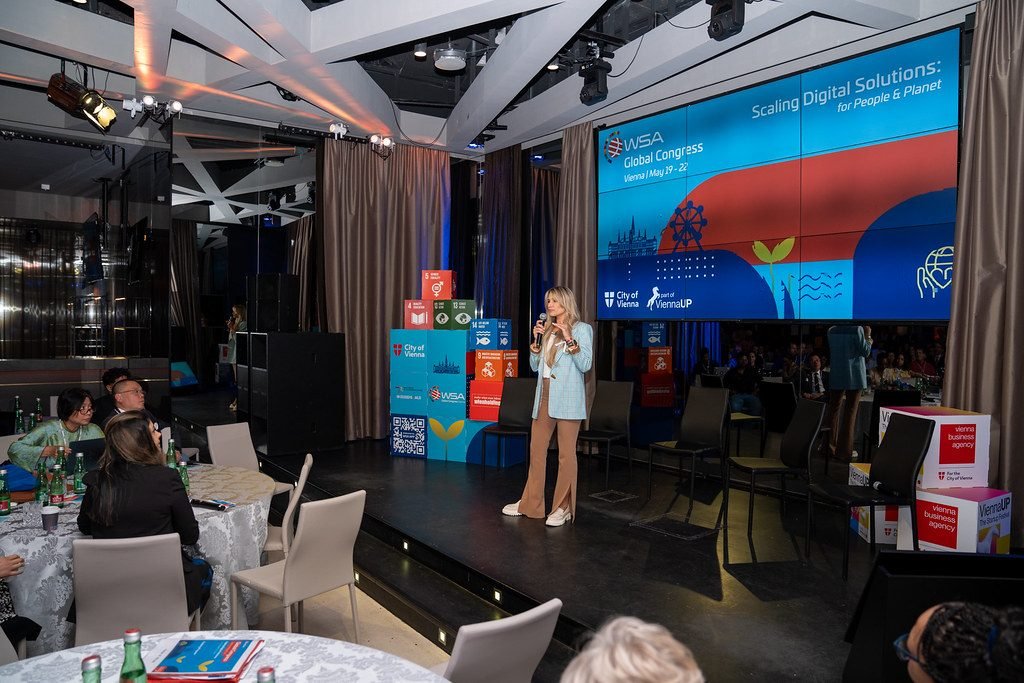
On 20 May 2026, Odeta Isevičiūtė gave a talk at the WSA Global Congress 2026 in Vienna, run by the World Summit Awards under the theme "Scaling Digital Solutions: For People & Planet". Her subject: the incentives that drive AI users and the companies building frontier AI, and where they split.
The event
The World Summit Awards (WSA) is a global initiative that selects and supports digital solutions with social impact. Its 2026 Global Congress ran from 19 to 22 May as part of ViennaUP, Vienna's startup and innovation festival, across Palais Wertheim, Hotel Superbude and the Jugendstiltheater. WSA's recap reports more than 500 attendees from over 90 countries. Sessions covered digital sovereignty and AI, impact startups built for real needs, and digital public goods.
What we did there
Odeta spoke in English on 20 May, the second day of the congress. WSA's recap lists her among the key participants. She is part of the WSA network as a juror, mentor and advisor.
The talk came straight from her work with traditional small and medium companies in logistics, manufacturing and finance, and turned it into a question for the policy and impact audience in the room.
Three takeaways from the talk
1. For SME owners, the upside is too big to worry about governance
Odeta opened with Aleksandras, CEO of a 28-person logistics company. His sales team spent the day packaging and repackaging information: receive an enquiry, ask partners for rates, consolidate, send out. For three years his IT manager said the custom Salesforce setup made automation impossible. Once his team learned to use AI themselves, they saved 66 hours in the first month. For an owner like Aleksandras, a single Claude or Copilot subscription replaces hours of work and a custom development project he could never afford. Does he care that using these tools concentrates AI power in a few hands? He doesn't. He wants to get rid of manual work and grow. Users won't regulate themselves.
2. The labs' incentives match users' only on the surface
Then she turned to the other side: Google, OpenAI, Anthropic and xAI. Their first incentive is the race to AGI, which needs the most data, the most compute and the most users. The second is raising ever larger investment, justified by one thing: more people spending more time deeper inside the platform. That makes the third incentive lock-in. The entry point is free, then the product moves into your email, your CRM, your calendar, your documents and your psychology. On the surface this gives users exactly what they want: faster, easier, more powerful tools. Odeta said plainly that she couldn't run her own company without AI. Underneath, what's good for the user and what's good for the platform start to diverge. We learned that lesson with social media.
3. Regulate the lock-in built into the platforms
Most regulatory energy today goes into how AI is used: compliance, governance frameworks, responsible use policies. Odeta called that necessary and said very little of the conversation touches the incentive structures built into the platforms themselves. She closed with a question for the room: do we have the courage to regulate the lock-in mechanisms built into the technology itself, and what would it take?
The First Logistics story behind the first takeaway is told in full on our customers page.
Sources and notes
- WSA Global Congress 2026, World Summit Awards.
- WSA Global Congress 2026 recap, World Summit Awards: attendance figures and key participants list.
- The exact session title and format of Odeta's talk were not published. Content here follows her speaking notes.