EYI Festival 2025 Graz: four steps for young founders
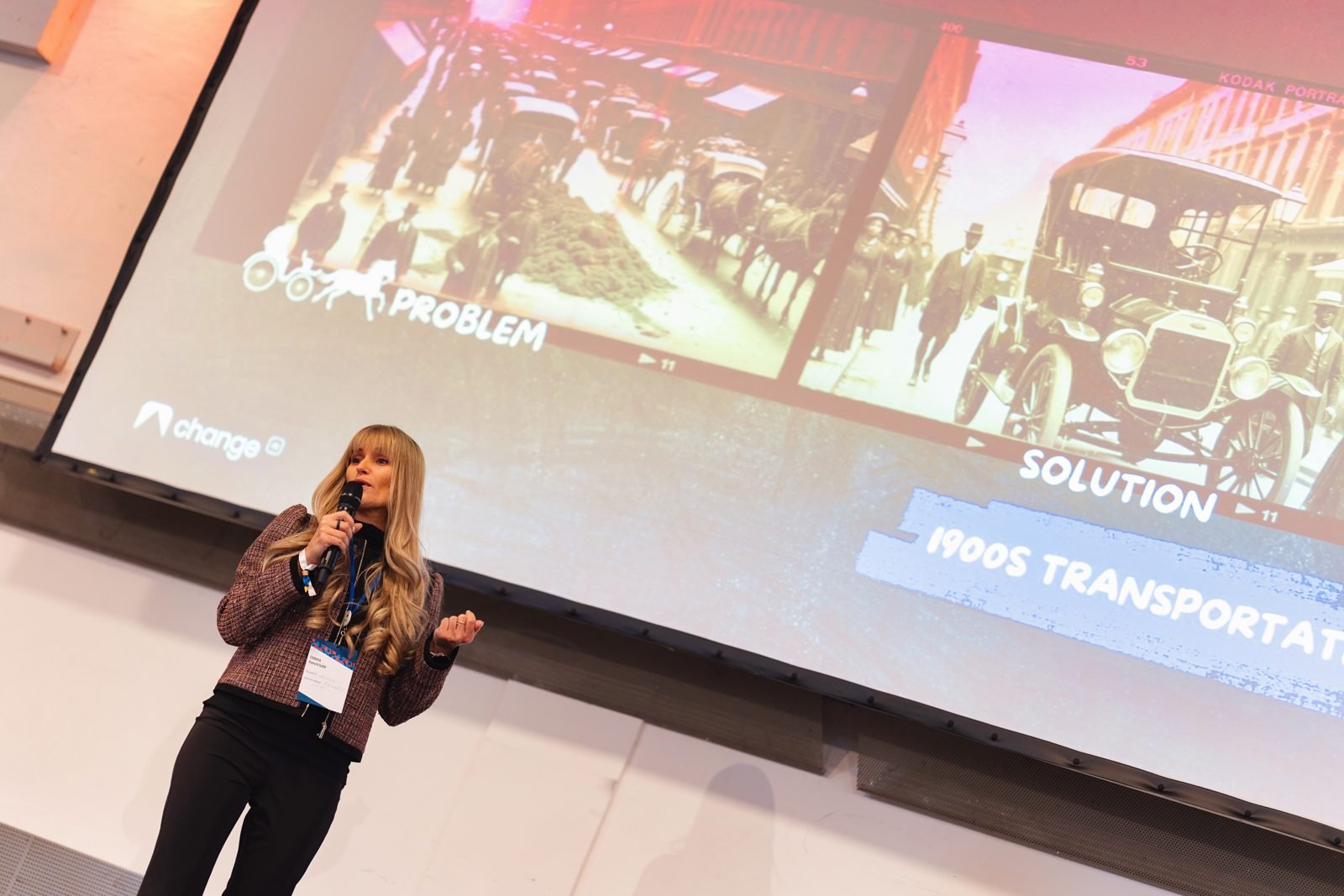
On 27 November 2025, Odeta Isevičiūtė gave a talk at the European Young Innovators Festival 2025 in Graz, run by the World Summit Awards (WSA). She spoke on the festival's main day to the year's 15 European Young Innovators, their jurors, the WSA network and local students.
The event
The European Young Innovators (EYI) programme recognises young European founders who use digital technology for social impact. An international Grand Jury selects the 15 winners; in 2025 it met in Istanbul in September [2]. The festival in Graz brings the winners together for three days.
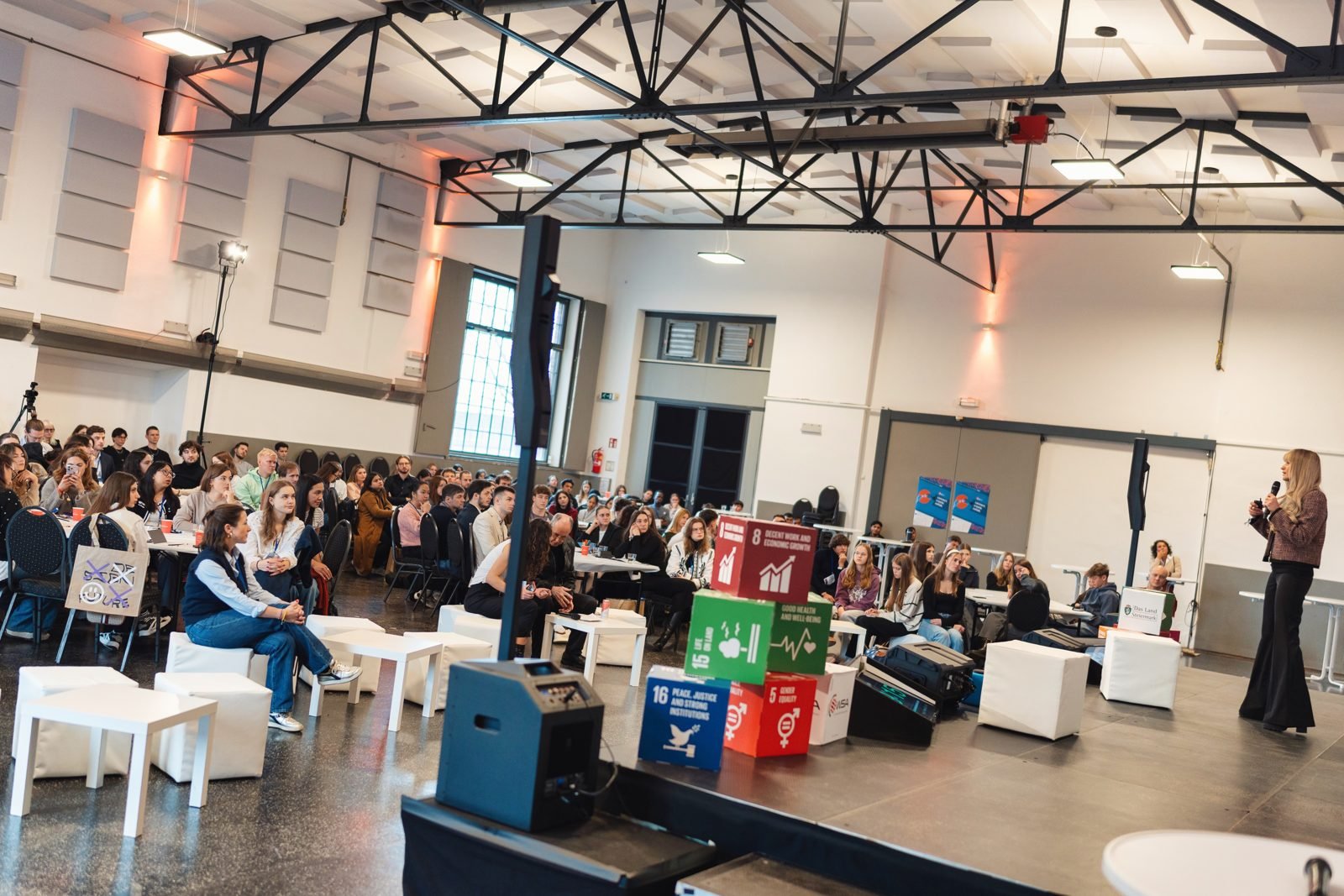
The 2025 festival ran from 26 to 28 November. It opened on the Murinsel on 26 November. The main day, 27 November, took place at the Seifenfabrik: thought leaders spoke on AI and its ethical use, climate change and Europe's changing role in the world, and the winners presented their business models to questions from jurors and the audience. On 28 November the programme moved to workshops and round tables, and closed with the awards ceremony at Dom im Berg [1].
What we did there
Odeta took part as one of the festival's key participants from WSA Lithuania. She had also served on the EYI Grand Jury that selected this year's winners.
Her talk, in English, was part of the thought-leader block on AI and ethics. It opened with 1900s transportation and four patterns that repeat through technology history, then moved to four steps for founders, each built on a story from her podcast interviews with WSA winners. One of them was Beewise, whose robotic beehive uses a vision model to track individual bees, an example of what happens when a team questions a solution that had stayed the same for centuries.
Three takeaways from the talk
1. Second-generation AI is still unknown, so act on what you control
Foundational technologies such as electricity or the internet took decades to show their full potential. The big shifts came from the second generation of tools and the third generation of platforms built on top of them. The internet spread in the mid-1990s; the platforms that changed our habits arrived about twenty years later. Generative AI is three years old. What gets built on it in the next 10 to 15 years is impossible to predict.
Odeta's first step is personal: educate yourself, and ask "am I on the AI ship, or is it passing by?" Hunger and motivation to learn now count for more than existing skills. The founders who want an ethical AI future need to be on board while it is being built.
2. Start from "Who is struggling?"
Before looking at tools, ask who is struggling and where people waste time, miss opportunities or get left out. Carlos built Livox because his daughter Clara, who has cerebral palsy, had no way to tell him what was wrong. When he asks whether she is in pain, the app shows yes and no. If Clara looks at yes, it shows parts of the body so she can point to where it hurts. Odeta's point: Livox started from one person's frustration, with the technology chosen later.
3. Reduce friction "without replacing their dignity"
Her fourth step asks how AI can reduce friction or give people more control "without replacing their dignity". Be My Eyes connects blind people with sighted volunteers by video call. With Be My AI, users can photograph something and ask follow-up questions about it in their own language. Some users had not felt comfortable inviting strangers into their homes on video, and the AI gave them another option they could use at any hour.
Her close: AI "can be whatever people decide it will be." The open question is how to get more founders with purpose and ethics at heart to build the next generation of tools on it.
Companies that want to start from the same "who is struggling?" question in their own teams can look at the AI Opportunities program.
Sources and notes
- European Young Innovators Festival 2025, World Summit Awards.
- EYI Grand Jury Meeting in Istanbul, World Summit Awards, July 2025.