Cleantech Days 2025: AI and the problems solutions create
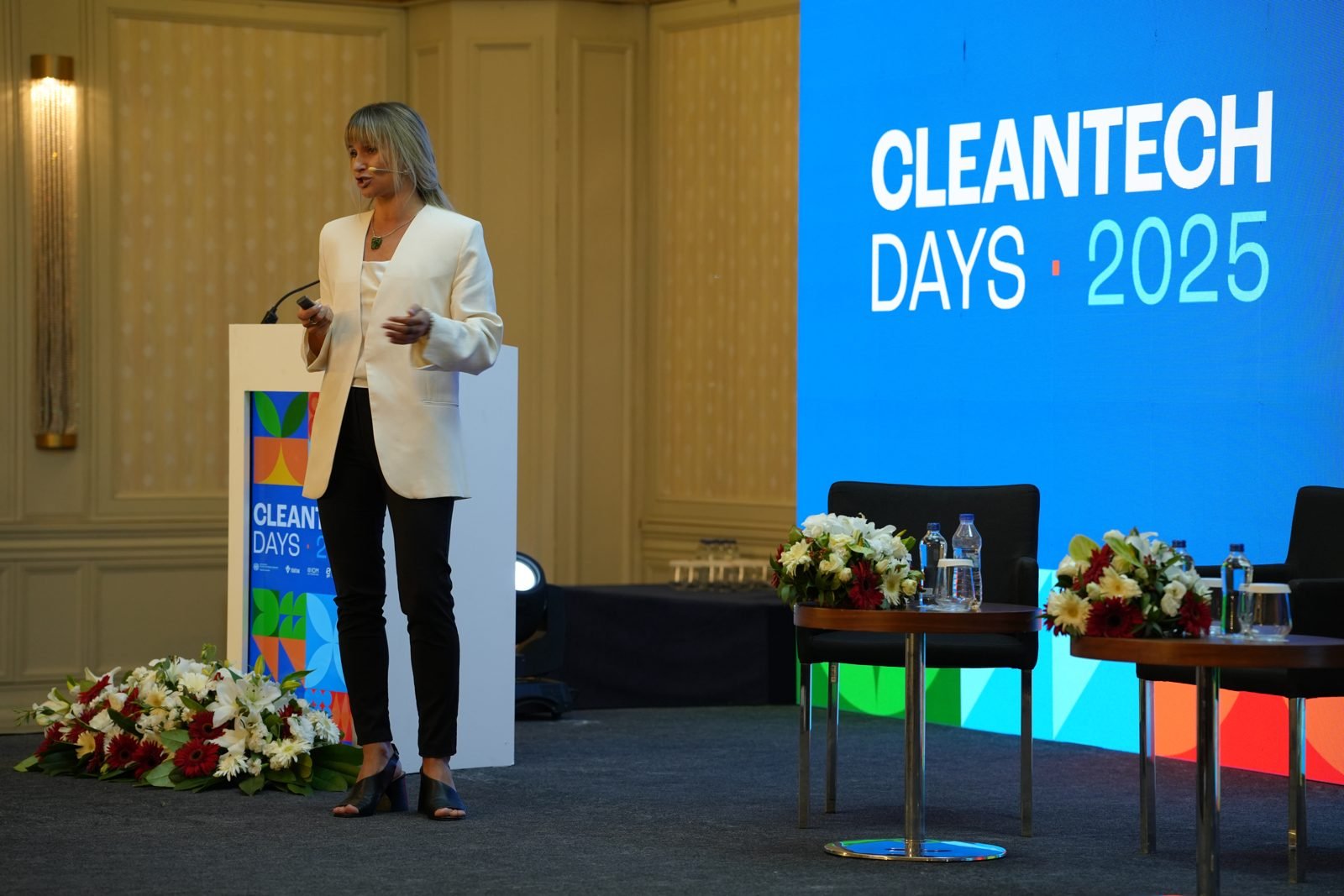
On 3 September 2025, Odeta Isevičiūtė gave a keynote at Cleantech Days 2025 in Istanbul, the annual forum of UNIDO's Global Cleantech Innovation Programme, hosted with TÜBİTAK. The same day she joined a panel discussion, and during the week she sat on the WSA Grand Jury for the European Young Innovators, which met inside the forum.
The event
Cleantech Days is the yearly gathering of the Global Cleantech Innovation Programme (GCIP), which UNIDO runs with funding from the Global Environment Facility (GEF). The 2025 edition, the third, ran from 1 to 5 September in Istanbul, the first time the forum was held outside Vienna. TÜBİTAK, Türkiye's science and technology research council, organised it with UNIDO and the International Organization for Migration (IOM).
More than 200 people took part, including over 30 cleantech startups and SMEs, alongside policymakers, investors, researchers and international organisations. The programme combined panels on climate action and the energy transition, financing sessions, startup mentoring and the GCIP Global Pitching Competition [1].
What we did there
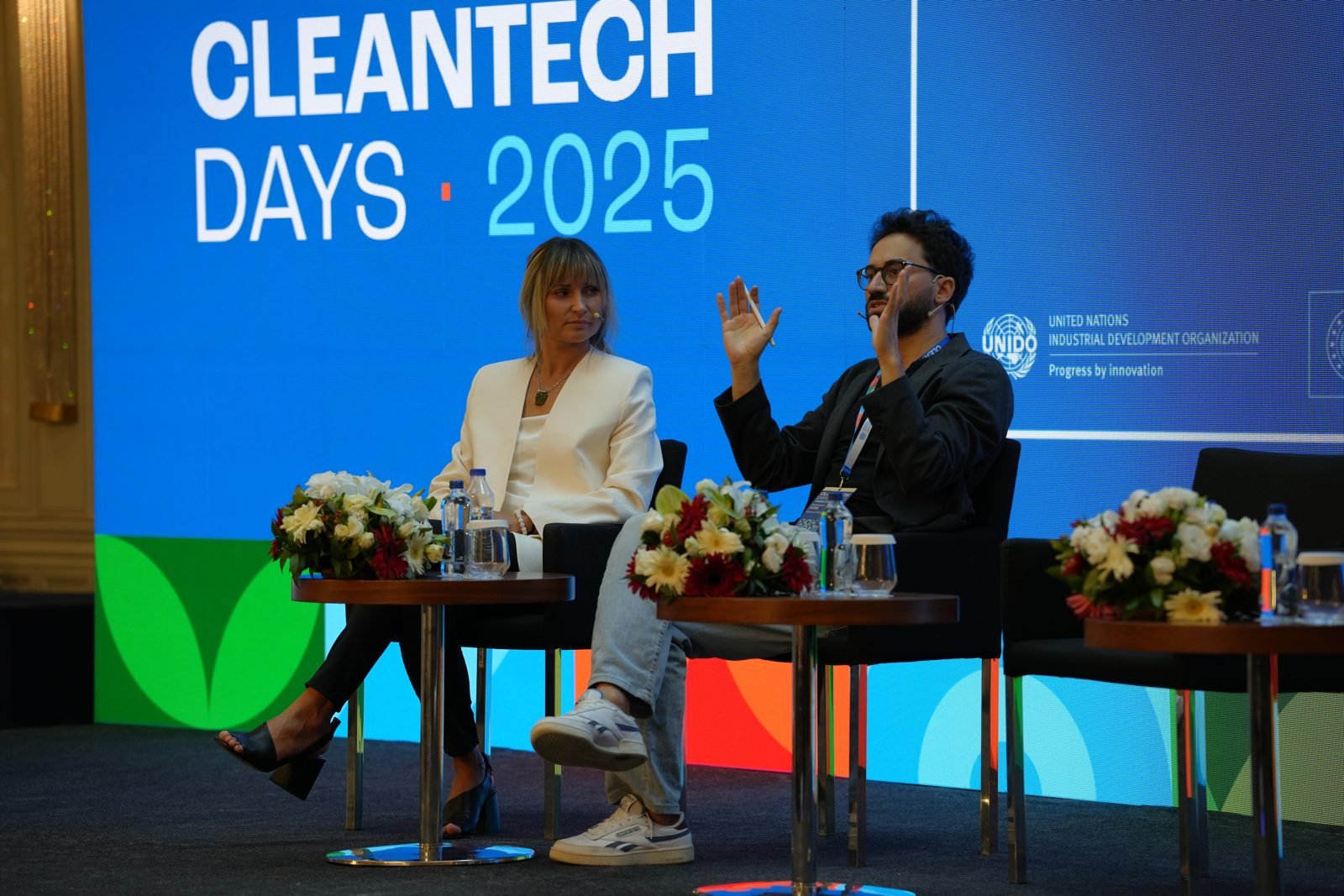
Odeta's keynote, in English, looked at AI through a century of technology history and closed with a practical framework for founders. After the keynote she joined a panel discussion on stage with Francesco Pierri.
The World Summit Awards (WSA) also held its European Young Innovators (EYI) Grand Jury meeting inside Cleantech Days, as part of a new collaboration with UNIDO. Odeta sat on that jury, which selects 15 young European founders using digital technology for social impact [2].
Three takeaways from the talk
1. We've seen nothing and we know nothing about AI yet
Odeta opened in New York around 1900, when horses moved the city's goods and people, and their manure had become a public health crisis. Cars solved it, then brought air pollution, road deaths, oil dependency and, eventually, climate change. Ford's assembly line in 1913 made goods cheap and brought over-consumption and waste with them. Food and information followed the same arc.
Three patterns run through every example: each solution creates bigger problems, the problems grow with the number of users, and the world a few decades after an invention is impossible to foresee. Generative AI is only a few years old. Regulating it today, she argued, is like writing traffic law with nothing but the experience of 1900s New York.
2. Add a fourth question: who might be left out?
ChangeAI's From Problem to Possibility framework has three steps: start with the human frustration, challenge the default solution, and design with AI for humans. Odeta illustrated them with founders she interviewed on her podcast about WSA winners: Beewise and its self-healing robotic beehive, Be My Eyes and its AI assistant for blind users, and Livox, which gives people with multiple disabilities a way to communicate.
For Istanbul she added a fourth step: map everyone your solution touches and ask who might end up at a disadvantage, now and in 10 years. Then ask what you will do to reduce that harm. The horse and car story shows what happens when the question goes unasked.
3. AI is a technology, let's treat it as such
Her closing line was a plain one: "AI is a technology, let's treat it as such." People decide what it does. Her request to the room was to build AI tools that learn from the last 30 years of digital change, side effects included, and to point them at real problems.
Teams that want to work through these questions on their own processes can start with the AI Opportunities program.
Sources and notes
- Cleantech Days 2025 announcement, TÜBİTAK.
- EYI Grand Jury Meeting in Istanbul, World Summit Awards, July 2025.