One-day AI workshop in Vilnius: from AI chat to AI system
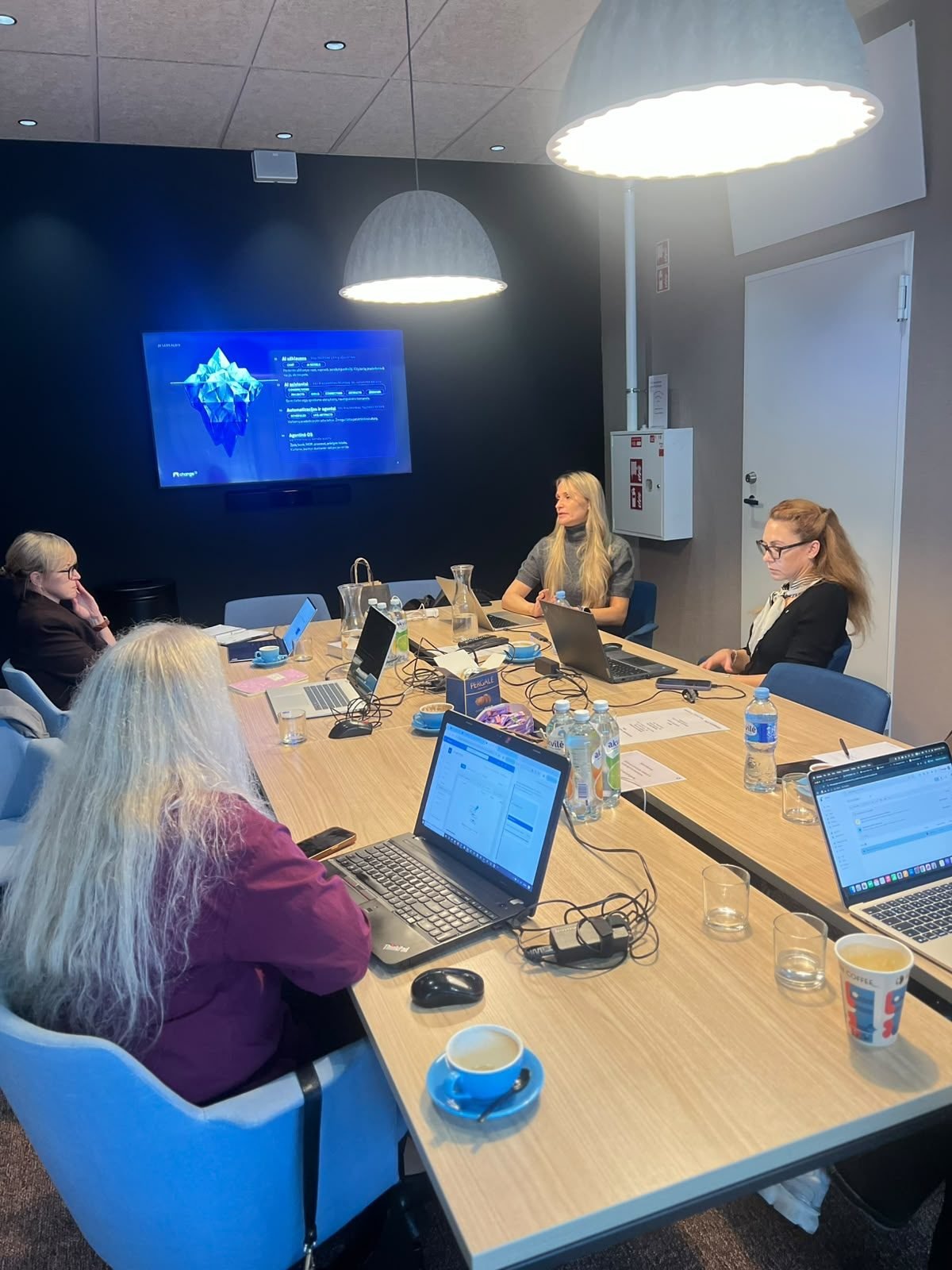
On 23 September 2026, ChangeAI ran its one-day AI workshop Nuo AI pokalbio iki AI sistemos ("From AI chat to AI system") in Vilnius. Odeta Isevičiūtė led the day, from 09:30 to 17:00, with a small group who came with their own recurring work and left with tools built for it.
The event
The workshop is ChangeAI's own open format for people who already use ChatGPT, Claude, Gemini or Copilot and want that use to reach a real business process. The day builds on about two hours of pre-work video on the ChangeAI platform, so the room starts from one shared level.
The promise of the day is concrete: three AI assistants for your own work and at least one working automation. Participants leave with a 30-day plan and two support sessions for the questions that come up once the new way of working reaches the rest of the company.
The format suits leaders and the people responsible for recurring work. This group was small, with people from operations, finance, sales and other functions, which left time to work with each person's own material.
What we did there
The day followed the AI Iceberg, from prompts to assistants to automations, with each level applied straight to the task a participant had brought. Everyone worked on their own laptop, on their own process. At the end of the day each participant put together a 30-day plan for using the new tools in their own work.
On 7 October, two weeks after the workshop, the group met again for a follow-up call.
Three takeaways from the workshop
1. Bring a real weekly task
The workshop works because participants arrive with work that repeats every week: a report, customer enquiries, Excel files, proposal preparation or data entry. The best fit is work that repeats, has a clear result and takes more time today than it should. Everything built during the day is built for that task. By the evening the assistant already knows the participant's rules and sources, and it is ready for the next time the task lands on their desk.
2. Describe the process before you build
Before anyone opens a tool, the process gets described: where it starts, what information it needs, what a person checks and when the output is ready for its next step. A useful test is whether the task repeats often enough to be worth describing once. If it does, there is material for an assistant. If one action in the work triggers the next, there is material for an automation.
3. Assistants first, then one automation, then a plan that keeps it going
Assistants come first because they hold the context of a job: what it does, which sources it uses, what a good result looks like and who checks the exceptions. The automation comes next, and it needs a clear starting point, such as a new email, a received file or a set time. The 30-day plan and the two support sessions exist for the weeks after the room, when the new routine has to survive a normal working week.
The next workshop runs on 11 November 2026 in Vilnius. If you want to bring your own process, see the workshop programme.
Sources and notes
- ChangeAI one-day AI workshop, programme and next dates.